
The allure of risk and reward
Casino gambling captivates many due to its inherent risk and the potential for significant reward. The thrill associated with placing bets and the possibility of winning large sums of money creates an adrenaline rush that is hard to resist. This psychological phenomenon is often referred to as the “gambling high,” where the excitement of uncertainty can lead to an almost euphoric state. Players frequently find themselves drawn to this emotional rollercoaster, which can stimulate both the pleasure centers of the brain and evoke a strong desire for excitement. Additionally, engaging in activities related to sport betting can heighten this experience for some individuals.
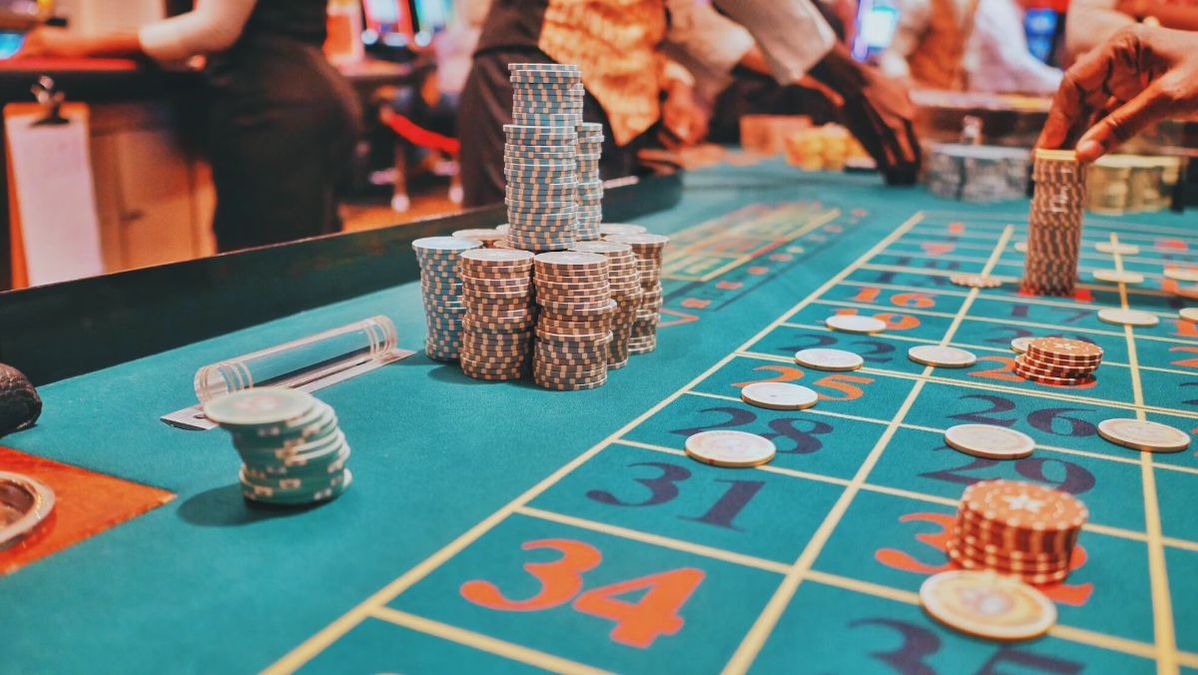
This attraction to risk is driven not only by the potential financial gain but also by psychological factors such as escapism and thrill-seeking. Many players view gambling as a way to escape their daily routine or to experience a sense of adventure, which can be particularly appealing in high-stress environments. This need for escapism further intensifies the draw of casinos, as players seek solace in the chaotic yet enthralling atmosphere of gaming.
The role of cognitive biases
Cognitive biases play a critical role in the decisions that gamblers make. One significant bias is the “gambler’s fallacy,” where players believe that past outcomes will influence future results. For example, after a string of losses, a player might feel that a win is “due,” leading them to wager more than they typically would. This fallacy showcases how emotional reasoning can cloud judgment, often resulting in poor decision-making and increased gambling behavior.
Moreover, the illusion of control is another psychological aspect that influences gamblers. Many players believe they can influence the outcome of games through strategies or intuition, despite the randomness inherent in most casino games. This misplaced sense of control can encourage individuals to gamble more frequently, as they feel empowered by their perceived abilities, making it even harder for them to walk away from the table.
The social dynamics of gambling
The social aspect of gambling adds another layer to its allure. Casinos are often bustling environments filled with lively interactions, making them appealing venues for socializing. Many players enjoy the camaraderie developed while playing alongside others, whether they are friends, family, or strangers. This shared experience can enhance the enjoyment of the game and foster a sense of belonging, drawing individuals back for more.
Furthermore, the presence of others can amplify the emotional highs and lows associated with gambling. Winning alongside fellow players can lead to jubilant celebrations, while losses may be more bearable when shared in a group. This social reinforcement can create a cycle of gambling behavior, as individuals return to the casino not only for the games but also for the relationships formed in these lively environments.
The impact of marketing and environment
Casino operators utilize various marketing techniques and environmental factors to enhance the overall gambling experience. Promotional offers, loyalty programs, and the ambiance of the casino itself all contribute to a player’s willingness to gamble. Bright lights, enticing sounds, and the luxurious design of casinos are carefully crafted to stimulate excitement and draw players in. This strategic use of sensory experiences plays a pivotal role in maintaining a gambler’s engagement and prolonging their playtime.
Moreover, casinos often implement tactics such as free drinks and complimentary meals to encourage longer stays and increased spending. By creating a welcoming and immersive environment, they tap into the psychological need for pleasure and comfort, further encouraging players to continue gambling. This manipulation of the environment shows how external factors can conspicuously affect gambling behavior and decision-making.

Join the conversation on gambling psychology
Understanding the psychology behind casino gambling is crucial for both players and casino operators. By recognizing the various psychological factors that drive gambling behavior, individuals can make more informed decisions about their gaming habits and seek help if necessary. Our website is dedicated to raising awareness about these influences and promoting responsible gambling practices.
We invite you to explore more about the psychology of gambling on our platform. We provide resources, insights, and support for those who wish to engage with gambling in a more informed manner, ensuring a healthier relationship with this popular pastime. Join us in fostering a culture of awareness and responsible gaming practices today.